
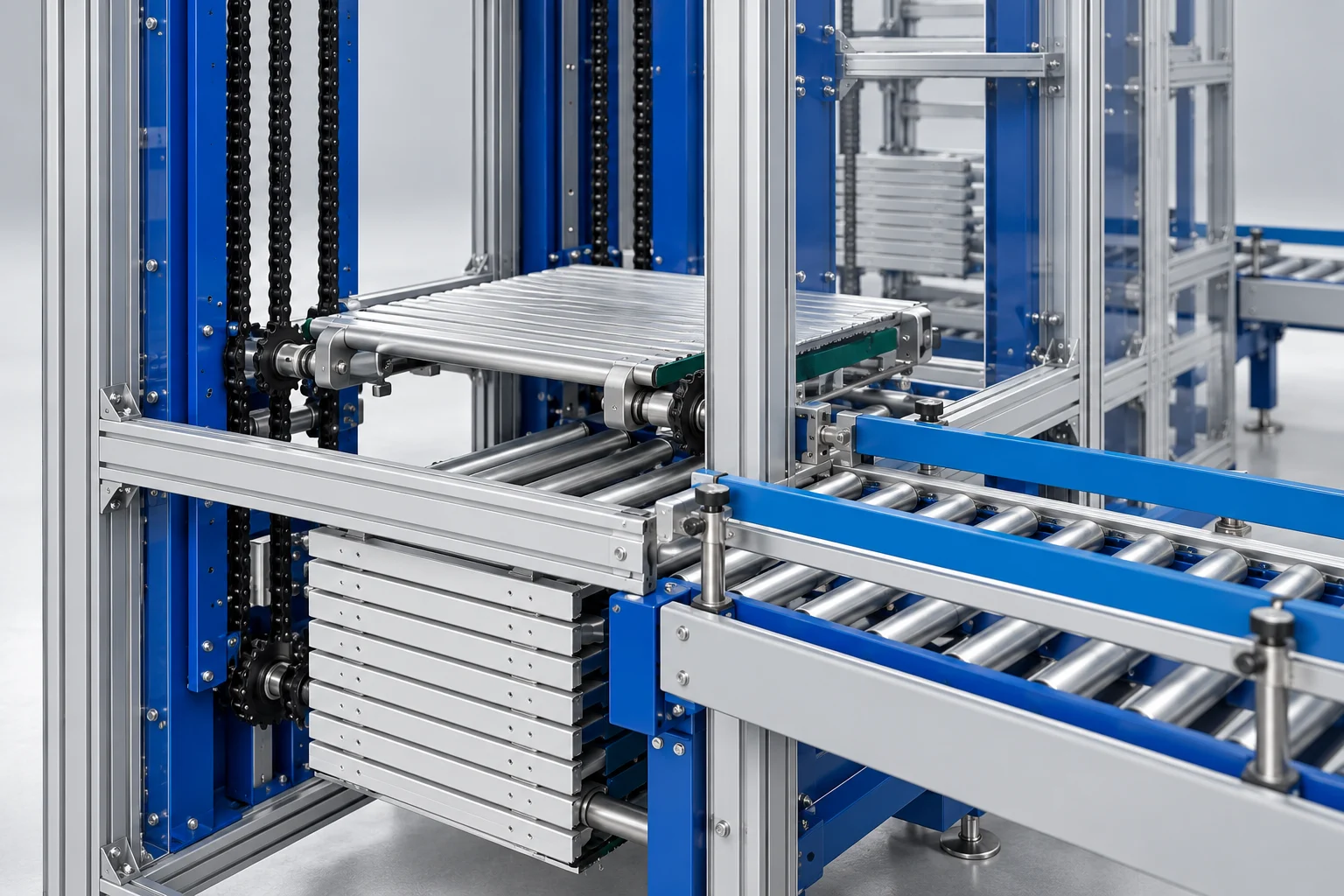
Carriers between levels
A vertical conveyor supports goods on carriers as they move between elevations. Continuous carriers and a reciprocating platform have different cycle and interface requirements.
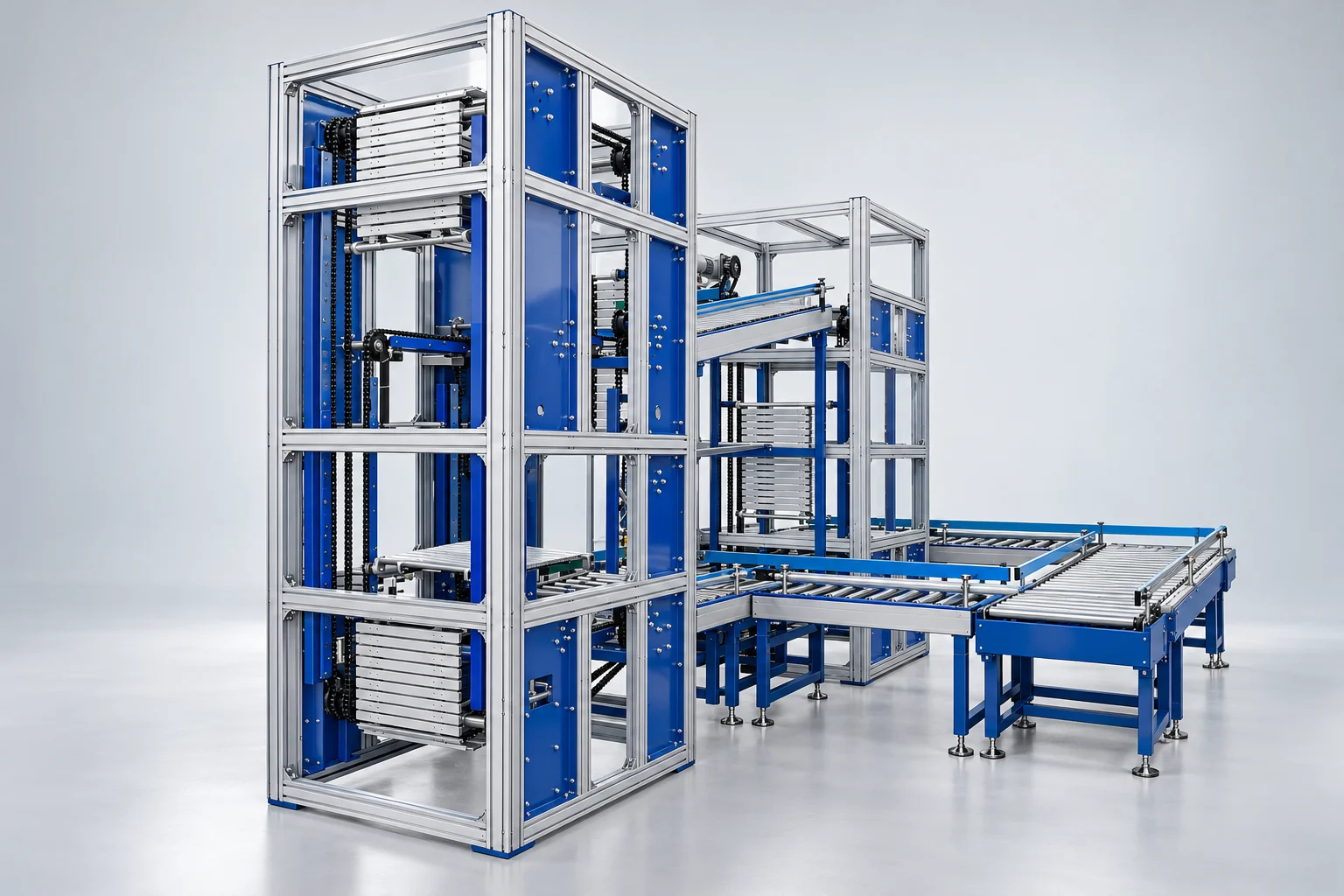
Custom-made vertical conveyors for moving goods between levels. Configure lift height, carrier dimensions, transfer positions and the operating sequence around your building and load.
Every conveyor is custom made for the client. Define the length, width, heights, conveying surface and controls around your operation, with the selected configuration and project scope set out in writing.
Estimated delivery: 60 days. Your written quotation confirms the delivery schedule, freight arrangements and responsibilities for installation and support. Two-year warranty. The written quotation specifies coverage, the commencement date, exclusions, spare parts and service arrangements.
Request a written quote ↗Illustrations show the working concept. Equipment dimensions, finishes, guarding and options are confirmed in your quotation.
A vertical conveyor supports goods on carriers as they move between elevations. Continuous carriers and a reciprocating platform have different cycle and interface requirements.
Each landing needs the correct transfer height, goods spacing and control hand-off. Include the entry and exit directions and a layout of all connected levels.
The tower and landings need a defined guarding and access arrangement. Maintenance access, installation clearances and responsibilities must be included in the project scope.
Design the transfer around the goods envelope, weight, levels and required sustained flow. Continuous and reciprocating mechanisms have different cycle and interface requirements. Carrier support, landing transfers, guarding, maintenance access and installation space are considered together; passenger or loaded-pallet requirements need an explicitly suitable separate scope.
Illustrative workflow for discussing your project. This is not a dimensioned installation drawing or a completed customer project.
Choose circulating carriers or a reciprocating carriage for the goods and cycle. Draw every level, transfer orientation, enclosure and interlock interface; this is a goods-handling application.
For a continuous inclined belt route between heights: Elevating belt conveyors ↗
Each vertical conveyor is made to order around the goods and building. Lift height, carrier size, mechanism and landing interfaces form one transfer system.
Arrange the carrier sequence, induction spacing, landing positions and receiving flow around the required sustained movement between levels.
Set the platform travel, landings and transfer sequence for a carrier that moves between levels and returns. Include loading, unloading and return time in the required cycle.
These application details define the made-to-order conveyor. Include the dimensions and operating requirements you know; the remaining choices can be developed from your handling task.
The selected conveyor is configured to connect with your equipment and site. Include the destination, transfer levels, power supply and control signals. The quotation defines the delivery schedule and installation, connection and commissioning responsibilities.
Explore the configuration, integration and ordering decisions for this equipment. Send your load details and layout to discuss your own project.
Yes. Lift height, carrier dimensions and the installation footprint are configured around your goods and building. The selected mechanism, supports and transfer positions must fit that envelope together.
Continuous operation uses a sequence of carriers, while a reciprocating platform travels between levels and returns. The goods, landings and required sustained flow determine which sequence suits the task.
Specify the goods mix and required sustained and peak flow. The full cycle includes feeding, movement between levels, unloading and any return or waiting time, rather than vertical travel speed alone.
Provide the entry and exit directions and connection levels on a site plan. Carrier support and transfer geometry are selected around those interfaces and the available clearance.
Send the minimum and maximum envelope, base material, weight and distribution on the carrier. This scope concerns goods transfer; passengers and loaded pallets require a separately specified system suitable for that use.
Include landing access, surrounding work areas and space for maintenance in the layout. The quotation defines the proposed guarding, control interfaces and project responsibilities for the selected arrangement.
Yes, the proposal can be based on the existing line positions. Send heights, widths, transfer gaps, controls and receiving sequence at each landing so the complete hand-off can be specified.
Lift height, carrier dimensions, load, mechanism, landing count, guarding and controls affect the cost. Site access, installation and interfaces with existing lines also determine the project scope.
Estimated delivery: 60 days. The written quotation confirms the selected system, delivery schedule and installation responsibilities. All products are CE certified, and the company holds ISO 9001 certification.
Send your name, email and handling task. If known, add the goods, desired length, usable width and inlet/outlet heights to your message. These technical details are optional.
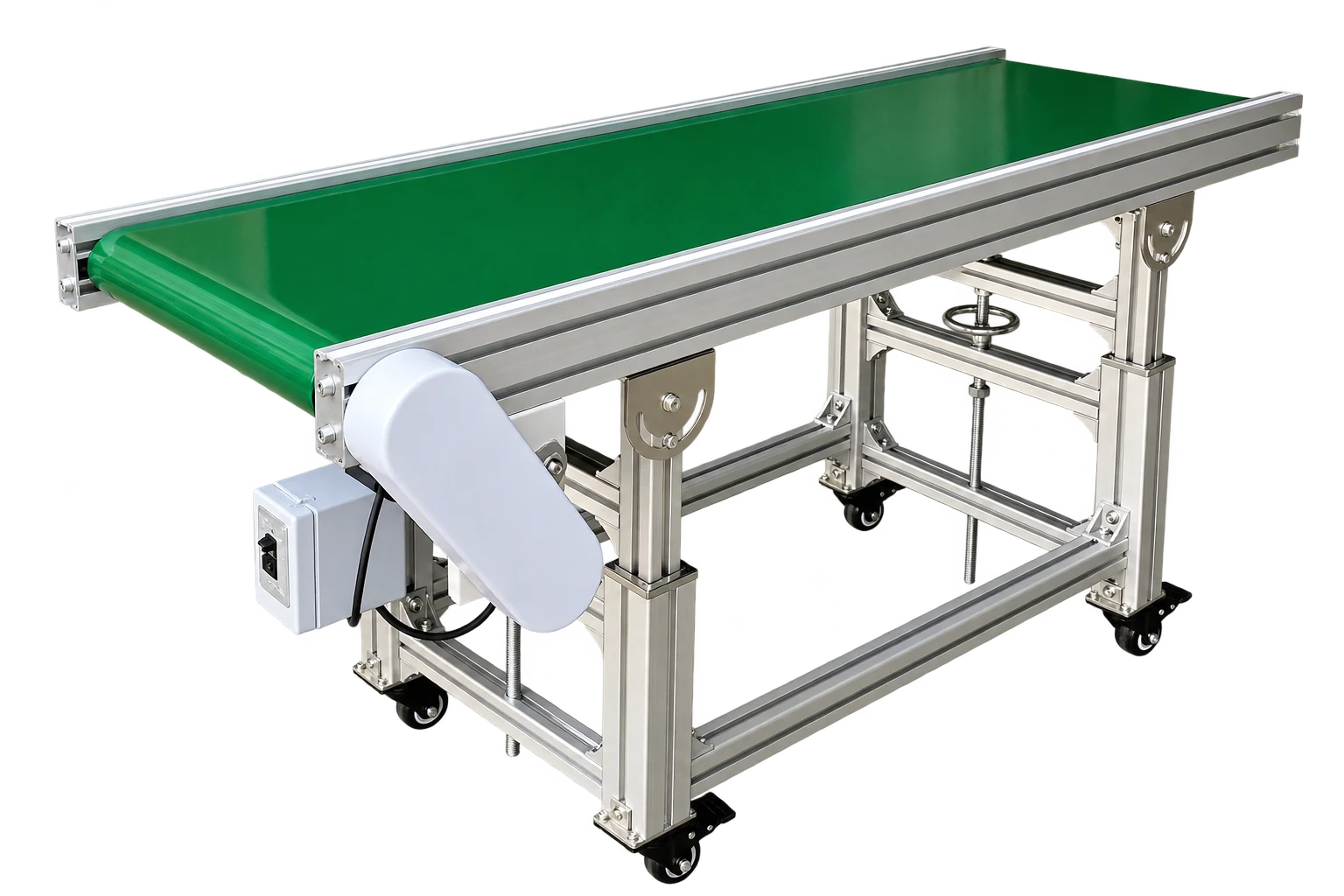
Custom-made belt conveyors for cartons and unit loads. Configure the length, width, transfer heights, belt surface and controls to connect your handling process.
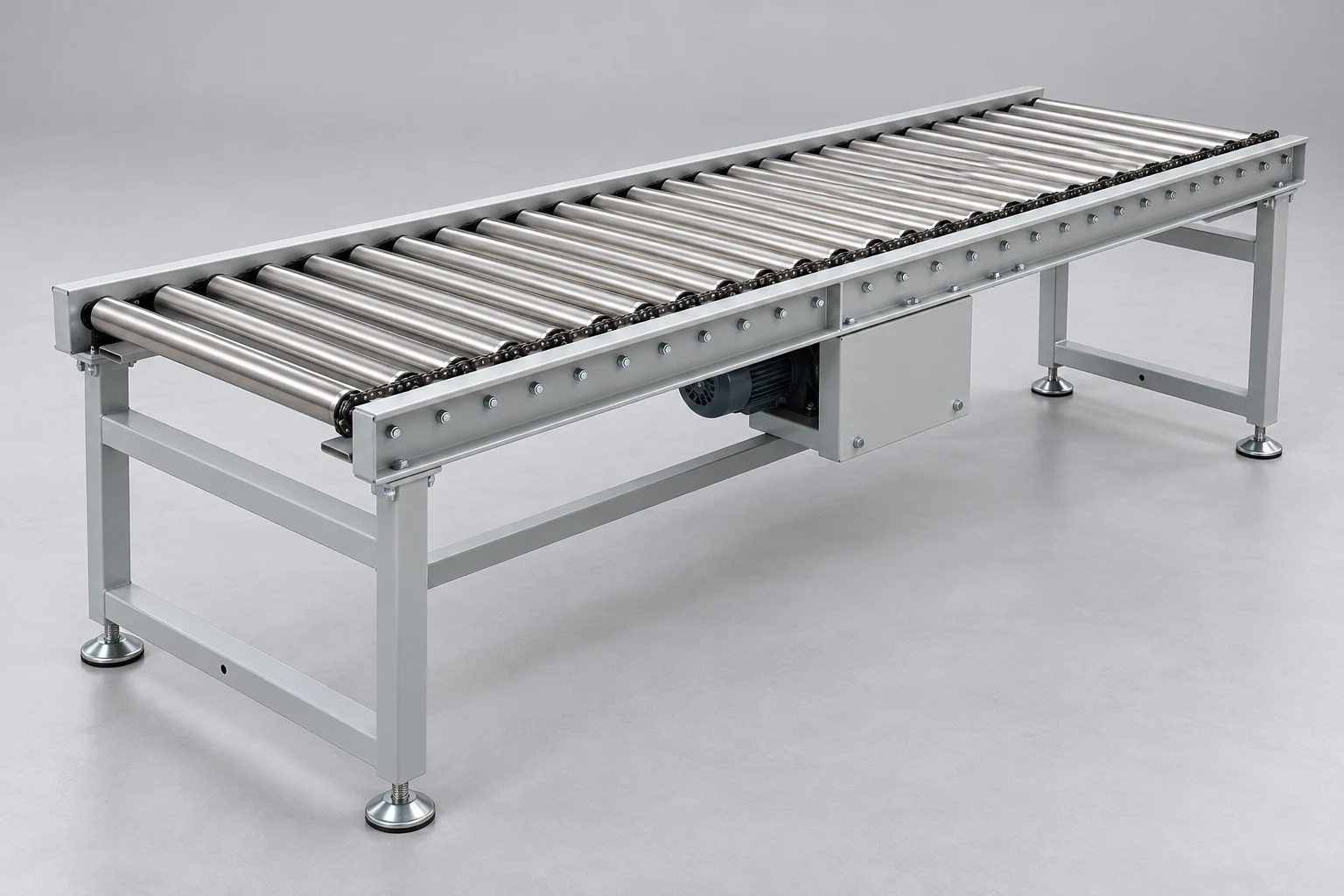
Custom-made powered roller conveyors for cartons and rigid totes. Configure the length, usable width, transfer heights, roller support and controls around your line.
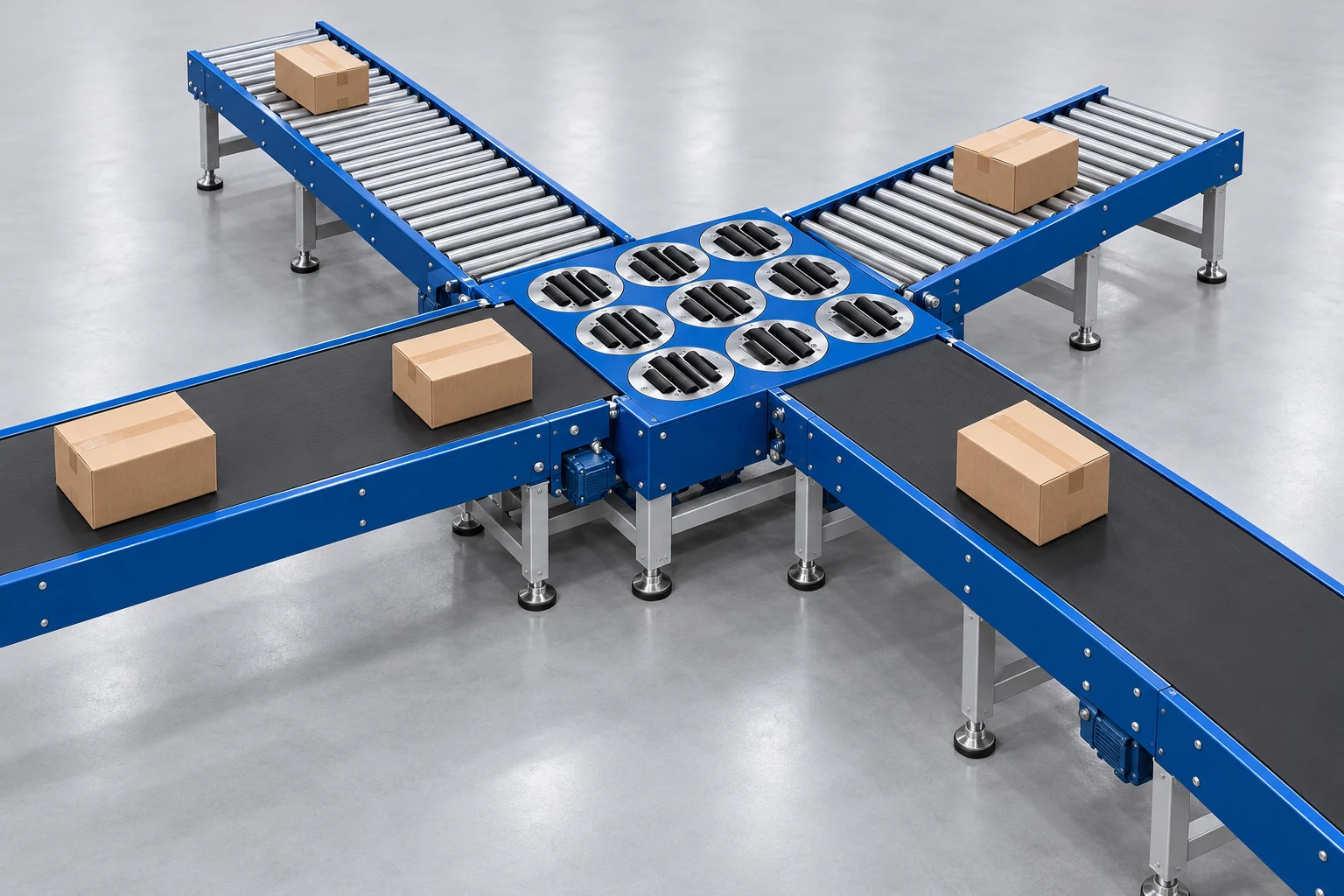
Custom-made parcel sorting systems planned around your goods, destinations and available layout. Configure conveying widths, heights, induction, diversion and controls as one routing project.